Understanding the Latest HVAC Technology Innovations May 20, 2026
As energy efficiency becomes a priority, the demand for smart HVAC systems has surged. These systems are equipped with capabilities that allow homeowners to monitor and adjust temperature settings remotely via smartphones or smart home systems. Not only do these systems offer convenience, but they also result in substantial energy savings. Smart thermostats, for instance, can learn your schedule and adjust heating and cooling needs accordingly, ensuring optimal performance with minimal energy wastage.
Moreover, geothermal heat pumps are gaining popularity due to their eco-friendly nature. Unlike traditional systems, geothermal pumps use the stable temperatures of the ground to regulate home temperatures efficiently. This sustainable method reduces the carbon footprint and cuts down on energy bills. By utilizing the earth’s natural properties, homeowners can enjoy a comfortable indoor environment year-round while contributing to environmental conservation.
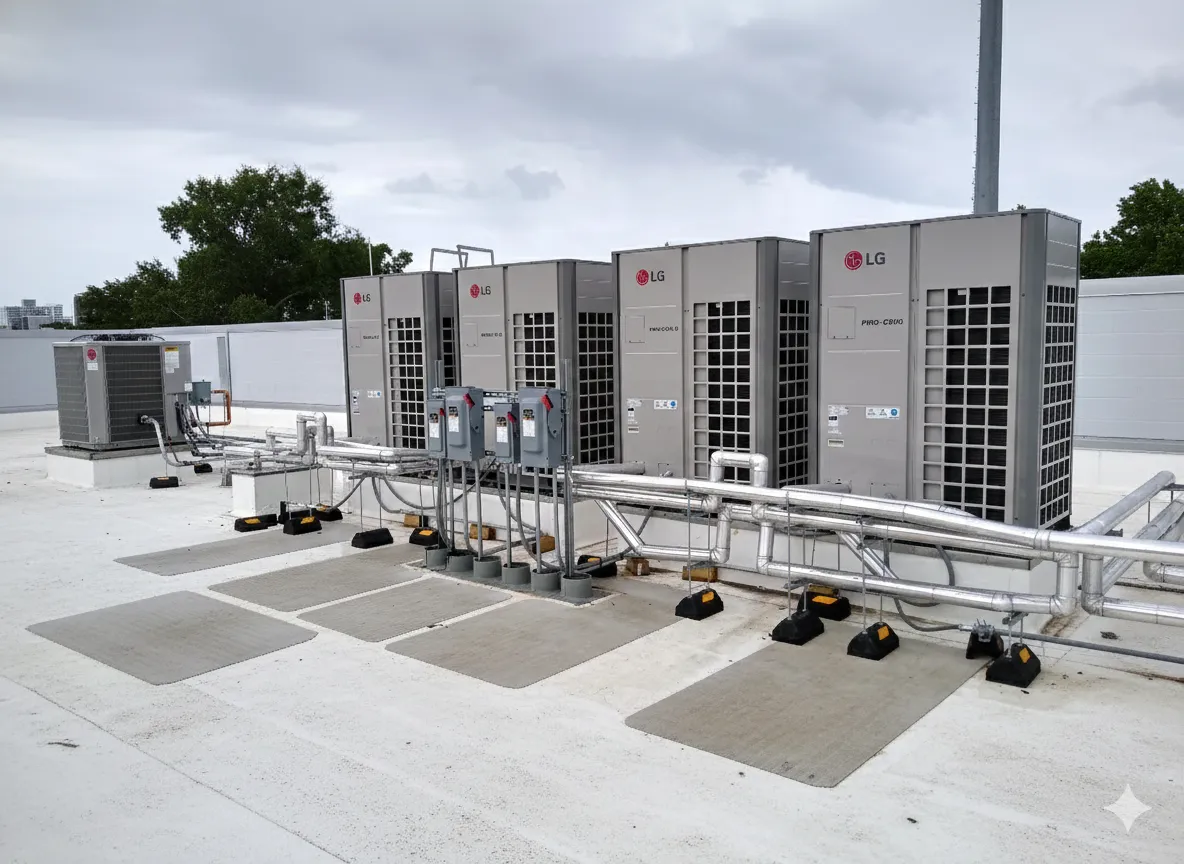
Another noteworthy innovation is the rise of variable refrigerant flow (VRF) systems. These systems offer more precise temperature control by adjusting the flow of refrigerant to each indoor unit. This ability to direct the right amount of cooling or heating where it is needed can significantly enhance comfort and decrease energy consumption. VRF systems also allow for simultaneous heating and cooling in different areas, making them an excellent choice for businesses and large homes.
Indoor air quality has always been a concern, but recent technological advancements have made substantial improvements in this area too. Advanced filtration systems and air purifiers are now integral to modern HVAC solutions. These systems effectively capture airborne particles, allergens, and even some viruses, ensuring cleaner, healthier indoor air. With increased awareness of air quality’s impact on health, investing in high-efficiency particulate air (HEPA) filters and UV light systems is becoming a standard practice.
Additionally, the integration of environmentally friendly refrigerants is another significant stride in HVAC technology. Traditional refrigerants have been identified as harmful to the ozone layer, prompting the HVAC industry to develop alternatives with lower environmental impact. New eco-friendly refrigerants not only meet regulatory requirements but also improve system efficiency and performance.
At DC Air Services, we believe that understanding these innovations can empower our customers to make informed decisions about their heating and cooling needs. Embracing these new technologies can lead to better energy consumption patterns, improved indoor air quality, and ultimately, cost savings on utility bills.
In conclusion, the landscape of HVAC technology continues to evolve, presenting new opportunities for enhanced comfort and efficiency. By adopting the latest innovations, homeowners and businesses can enjoy a more comfortable living and working environment while contributing positively to the environment. Our team at DC Air Services is committed to providing you with state-of-the-art solutions and expert guidance to navigate these technological advancements. Whether you are considering upgrading your existing system or building a new one, we are here to assist you every step of the way.
/filters:no_upscale()/filters:format(webp)/media/2af15feb-8704-4a13-b29b-9bfdad272e27.webp)
/filters:no_upscale()/filters:format(webp)/media/bb4c80a2-26f1-4286-afbf-53fc82ddbf67.jpg)